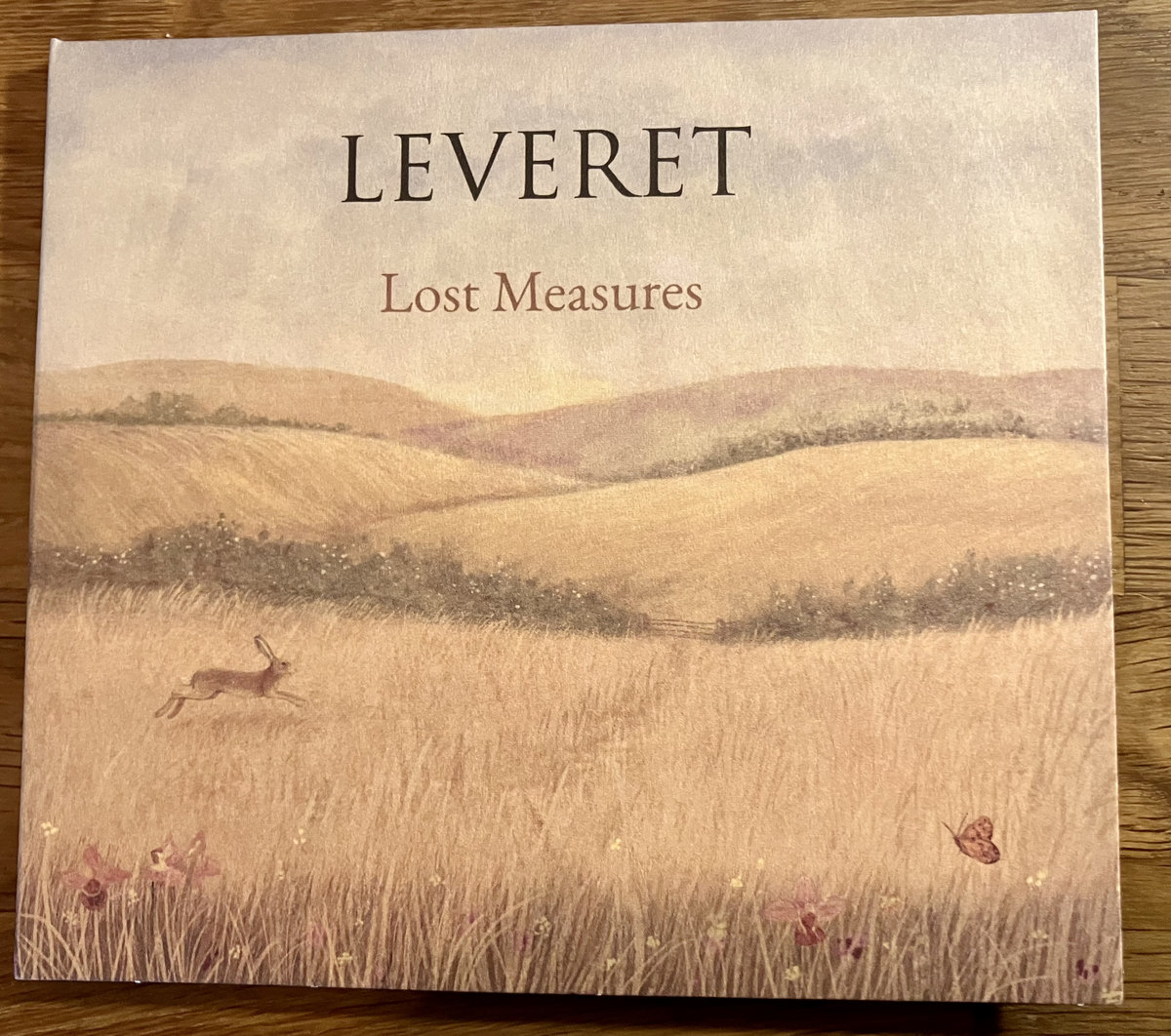
Bands playing solely instrumental folk music are not exactly rare, but, I think it is fair to say more often than not they focus on the music’s origins for dancing – even if they do evolve it to present these tunes – both ‘traditional’ and original – in a concert setting. Leveret have always felt like a different proposition – approaching the music more like a classical chamber ensemble, or, perhaps a more appropriate parallel, like a Jazz group. Of course all three musicians play in other contexts, for dancing certainly (including Sam Sweeney and Rob Harbron being resident musicians for Boss Morris, and Andy Cutting’s many guises including Balfolk powerhouse Topette!), song driven projects, and much more.
Leveret has always been a different proposition – three musicians, a list of tunes and….not much more than that. Setlists are revealed to most band members only after a gig has started, arrangements are improvised in the moment, chord progressions are not fixed, and no two performances are the same. It is the player’s exceptional musicality, sensitivity and connection which enables this to be an exciting creative proposition rather than chaos. Tunes are passed between the three instruments, with the others instinctively forging accompaniments, counter melodies or improvisations, and sets of tunes are intuitively shaped with a structural integrity that avoids the cliches like “three times through then change to the next tune” that inevitably pop up when the same tunes are played in sessions or, (sometimes) dances.
This approach is perhaps most exhilarating when watching the band live – and, such is the nature of the folk scene that there are still many opportunities to do so, in small venues, at sensible ticket prices – but it always translates well to Leveret’s recorded output too. I imagine when making an album there may be multiple playthroughs, but would guarantee that there’s little in the way of edits or patches.
And so, this latest record – appearing on bandcamp and in physical form but, as a matter of principle not yet on streaming sites, brings the Leveret approach to a great selection of tunes. Like most Leveret releases there are discoveries from sources which can be found on most folkies shelves – notably Playford’s English Dancing Master, coupled with tunes from less common manuscript sources – all three musicians clearly enjoy delving deeply into what still seems to be a barely explored pool of manuscripts accessible at Cecil Sharp House, along with original compositions. Andy and Rob in particular both have a way of crafting earworms, which are often more complex than they first sound. The music for the tunes on the first five albums is avaialable in the Leveret Tunebook, and I (like many others I meet at sessions and gigs) have great fun playing through them – but am often surprised by uneven bar and phrase lengths, tweaks to traditional formal structures, and very often small changes made by the band to the traditional repertoire which can shift a tune on its axis.
The tunebook also contains more in depth notes on Leveret’s approach to playing. More than anything this brings home the fact that music is never set in stone, it is constantly changing and evolving, and, whilst we can and should enjoy archive performances and respect what has come before, we must never let it stagnate or be afraid to grab hold of it and make it speak to us today, and be useful to us and the world we live in now. Not all sectors of the folk world would agree- but it is this approach that make Leveret one of the most vibrant, creative, radical and exciting bands of them moment, in any genre.
 From The Edge
Leave a comment